The Role of Visual Storytelling in Specialty Coffee Branding
No one knew about specialty coffee a few years ago, and now specialty coffee shops are blooming in every big city!
Discerning coffee drinkers look beyond taste; they are drawn to brands that communicate their ethos, origin, and craftsmanship visually.
Brands that tell a compelling story through every visual element, from logos and packaging to social media imagery and in-store design.
This is where visual storytelling comes into play.
1. What is Visual Storytelling in Branding?
Visual storytelling is the practice of communicating your brand’s story through visuals rather than words alone. It’s about creating a cohesive aesthetic and narrative that conveys your values, personality, and the experience you want your customers to have. For specialty coffee brands, this could include:
- Packaging that communicates origin and quality:
Single-origin beans, micro-lots, or direct trade practices can be highlighted with illustrations, maps, or icons.
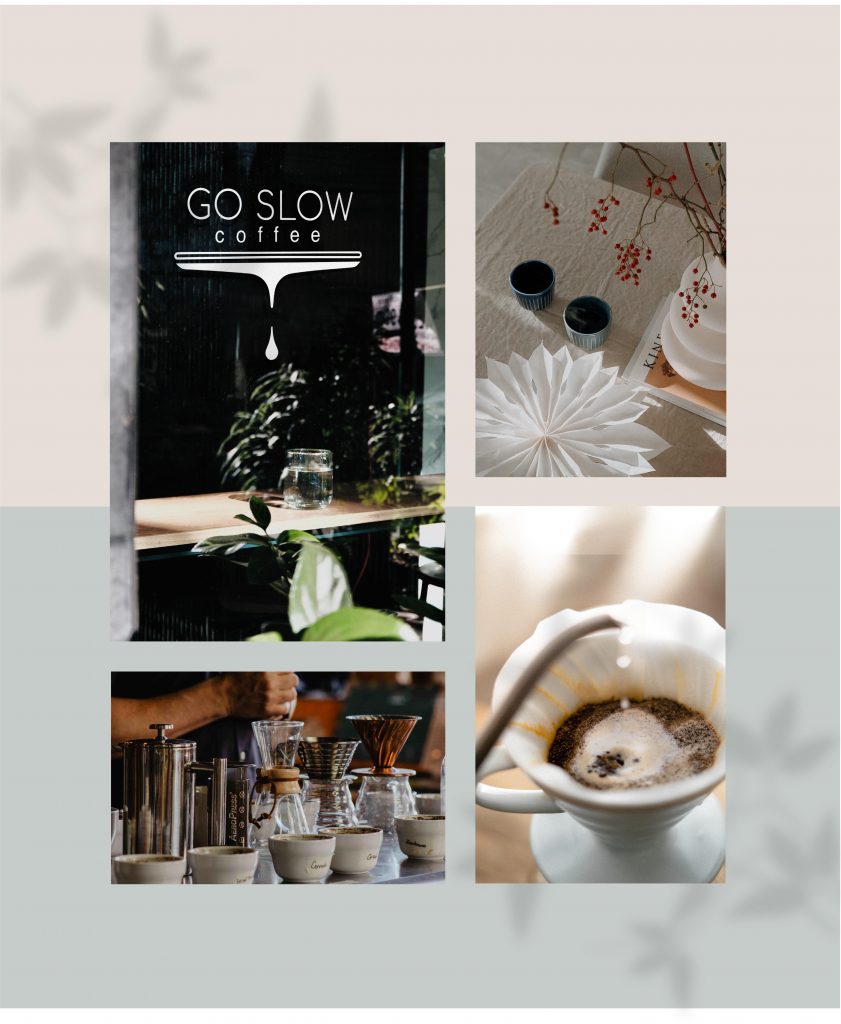
- Photography that conveys ritual and lifestyle:
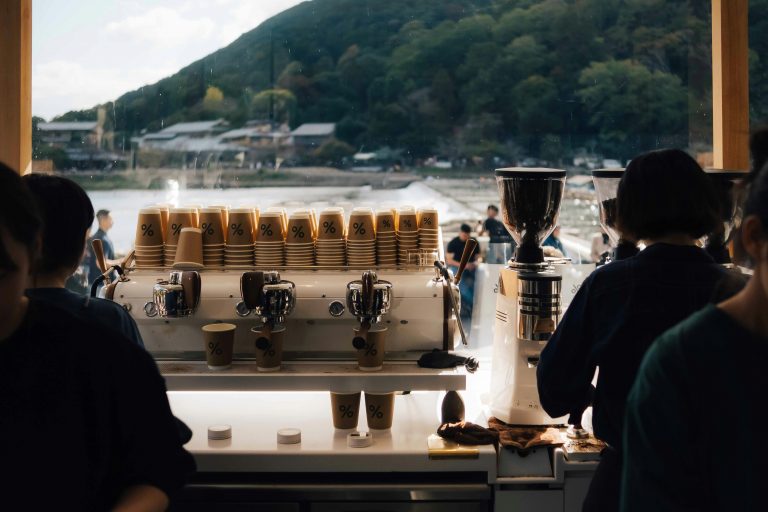
From pour-over shots to latte art, the imagery should feel authentic and aspirational.
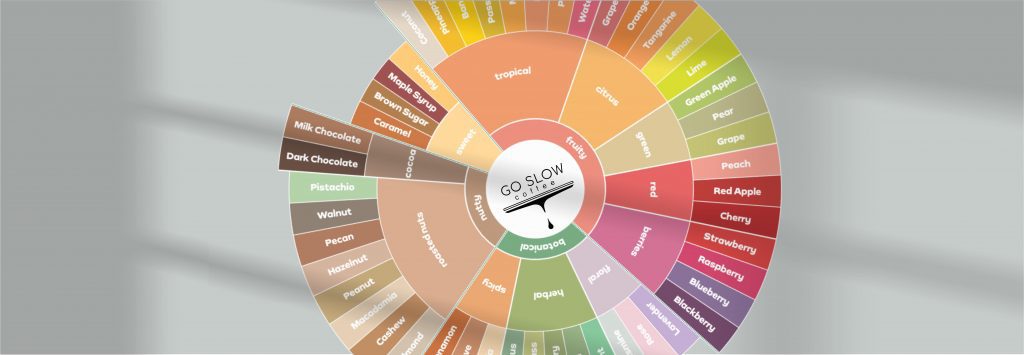
- Typography and color palettes that convey roast profile and flavor cues:
Deep browns and earthy tones can communicate chocolatey, nutty notes, while brighter colors may signal fruity, vibrant profiles.
- Logos and identity elements that reinforce craftsmanship:
Subtle iconography or marks can hint at sustainability, heritage, or specialty processes.
Visual storytelling ensures that customers instantly recognize your brand and understand the quality and values behind your coffee, even before tasting a cup.
2. Why It Matters for Specialty Coffee Brands
Differentiation in a Crowded Market
Specialty coffee is booming globally.
From high-end cafés to subscription services, brands compete for attention.
Strong visual storytelling sets your brand apart, creating instant shelf appeal and digital recognition.
Communicating Values and Transparency
Consumers of specialty coffee care deeply about sourcing, sustainability, and ethics.
Visual storytelling can subtly convey these values:
- Visual cues highlighting micro-lot origins or seasonal offerings
- Eco-friendly packaging materials
- Symbols for direct trade or organic certifications
Creating Emotional Connection
We know it, coffee is more than a beverage, it’s an experience.
Whether a customer is brewing at home or sipping in a café, the right visual story can evoke ritual, craftsmanship, and lifestyle, fostering brand loyalty.
3. Key Elements of Visual Storytelling for Coffee Brands
Packaging Design
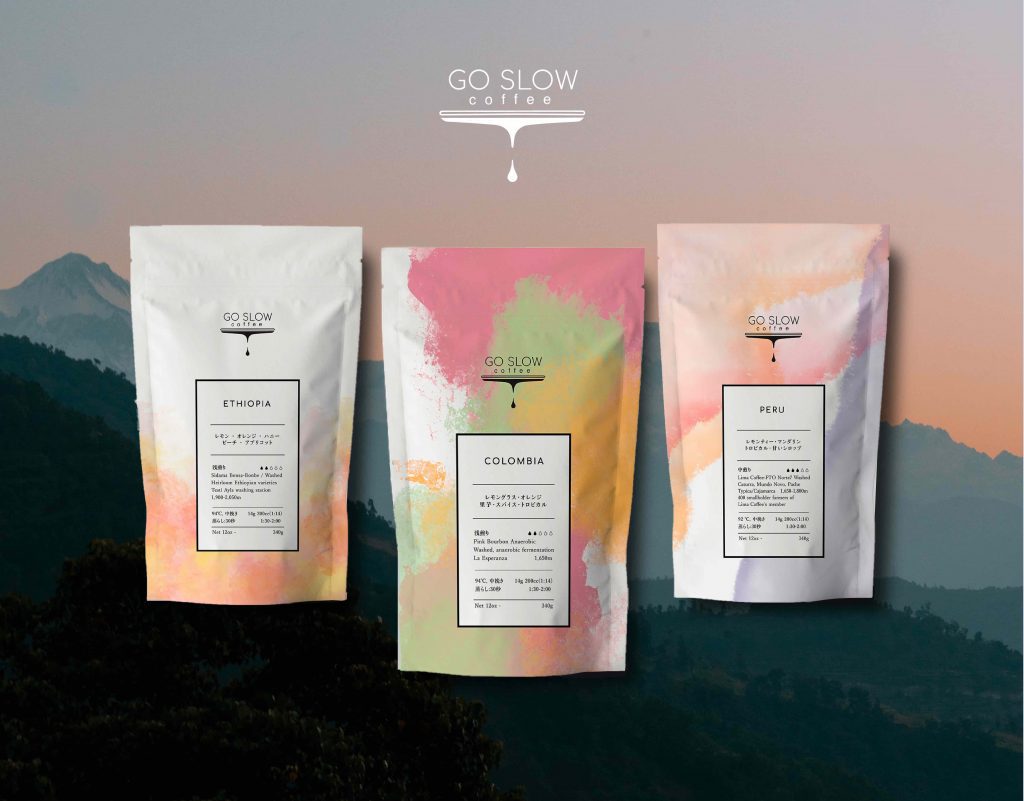
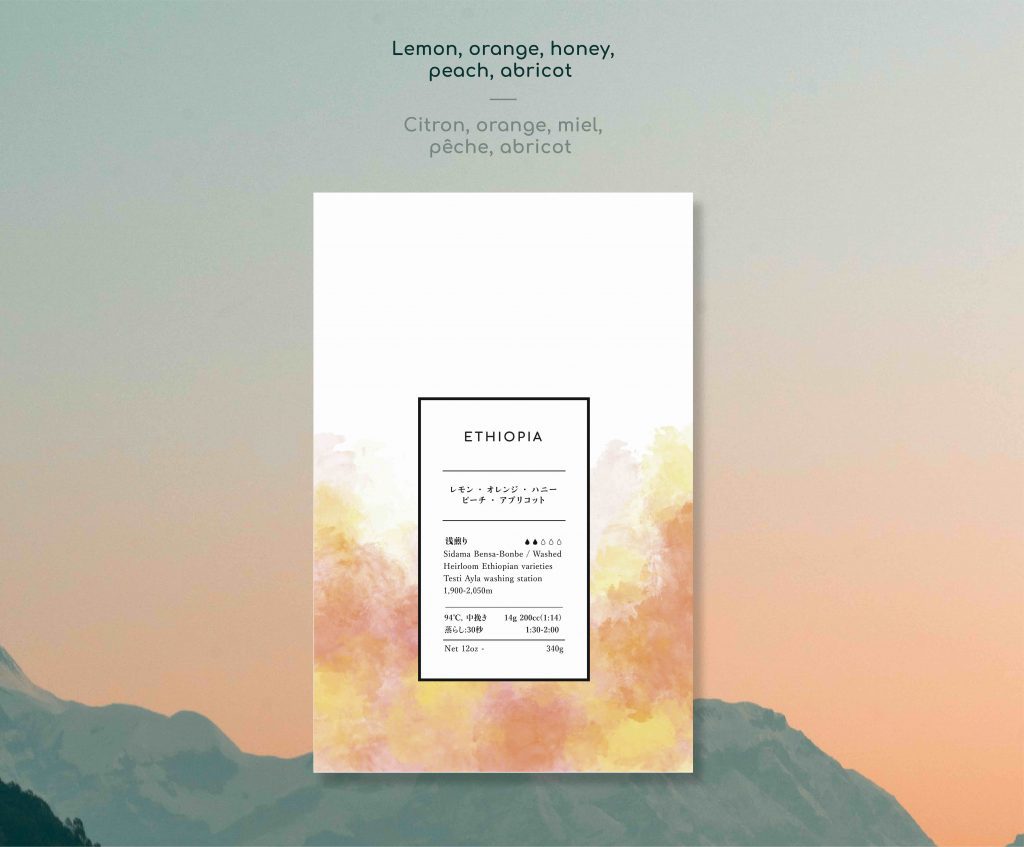
- Highlight origin, tasting notes, and processing methods. For example: hand-drawn illustrations of coffee farms or QR codes linking to farmer stories.
- Use color theory to communicate roast levels and flavor profiles.
- Consider materials and finish: matte, soft-touch, or kraft papers can reinforce premium or eco-conscious positioning.
Photography & Social Media
High-quality imagery that reflects your brand ethos helps tell your story online. Think of:
- Lifestyle photography should evoke ritual: pour-overs, cupping sessions, or latte art.
- Behind-the-scenes shots of roasting, cupping, and sourcing trips build authenticity.
- Maintain consistent visual tone across website, social media, and packaging.
Branding Elements
- Logos, submarks, and iconography communicate precision, craft, and values.
- Minimalist marks often resonate with high-end coffee consumers, while illustrative marks convey artisanal and narrative depth.
4. Advanced Tips for Specialty Coffee Brands
- Encode Story in Every Visual Element:
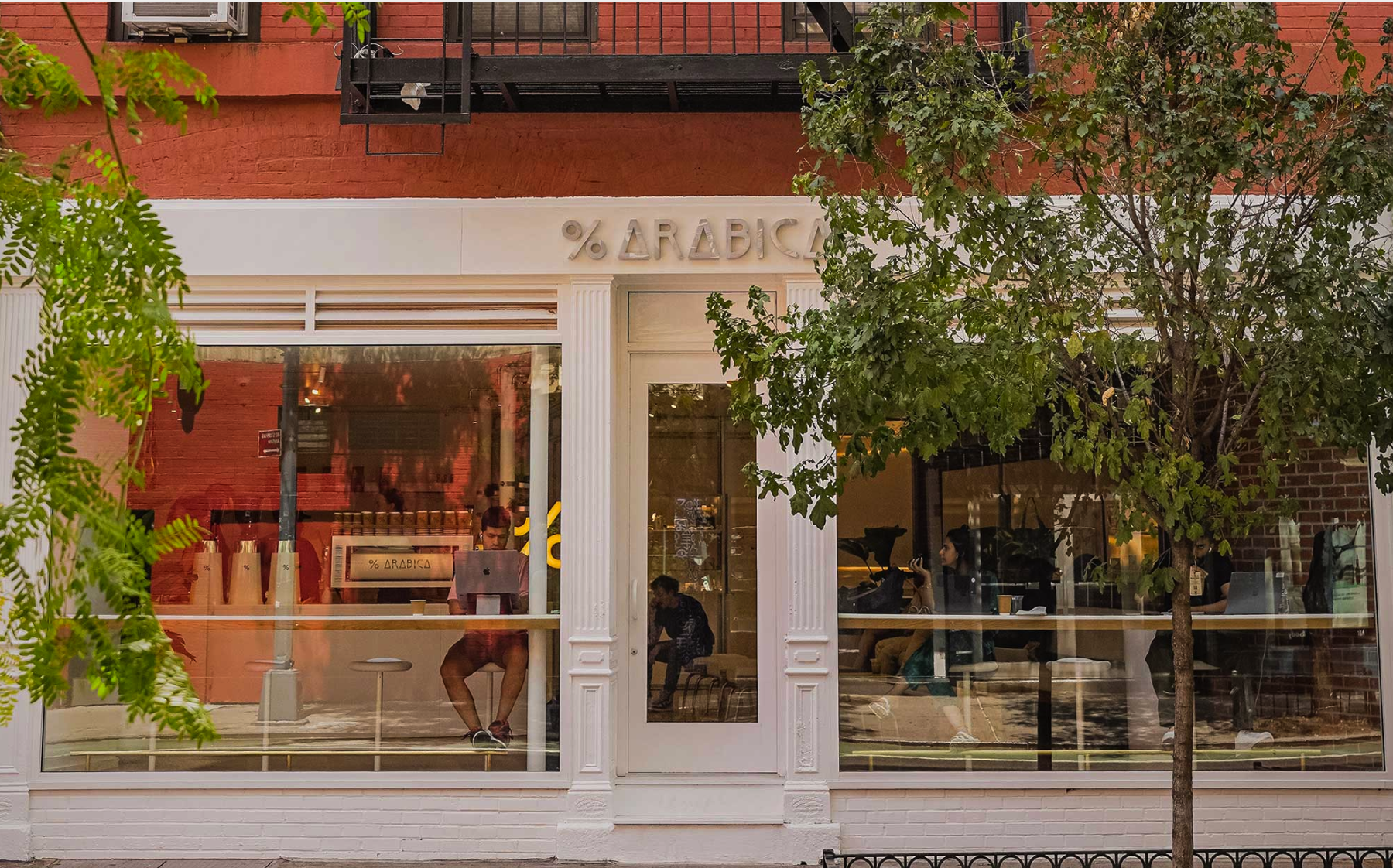
Think beyond logo. Your bag design, café signage, social media graphics, and merchandise should all tell a unified story.
- Highlight Micro-Lot Stories:
Specialty coffee consumers are curious about farm, altitude, and process. Visual cues like map graphics, harvest symbols, or farmer portraits add depth.
- Leverage Limited Editions & Seasonal Packaging:
Changing visuals seasonally signals freshness, craft, and attention to detail.
- Integrate Digital Storytelling:
Use AR, QR codes, or Instagram reels to link physical packaging with videos of farm visits, roast profiles, or brewing guides.
- Test Visual Cues for Sensory Perception:
Research shows color and texture can prime consumers to perceive taste differently — for example, darker packaging suggests boldness, while soft pastel tones suggest light, fruity profiles.
Conclusion
In specialty coffee, visual storytelling is a strategic tool, not decoration. It bridges the gap between the coffee cup and the story behind it, from the farm to the roaster to the consumer’s ritual. Thoughtful branding builds recognition, loyalty, and emotional engagement.
For specialty coffee brands competing in a crowded global market, every visual detail matters: packaging, photography, typography, and even color selection can communicate quality, values, and craft, making your story as rich as your coffee itself.

Studio Nüwa specializes in helping coffee shops, roasters, and artisanal brands craft packaging, logos, and brand identities that stand out, connect emotionally, and communicate quality.
Get in touch to discuss your project and discover how we can help you turn your values, your story into visuals that attract your audience.