What Is Brand Identity and What Does It Include? A Clear Guide for Building a Strong Brand
Brand identity is one of those terms that everyone uses, but few truly understand.
Is it just a logo? A color palette? A visual style?
In reality, brand identity is much more than how a brand looks. It’s how a brand presents itself, communicates, and stays consistent across every touchpoint.
At Studio Nüwa, we see brand identity as the bridge between strategy and design.
This guide explains what brand identity really is, what it includes, and why it’s essential if you want your brand to feel clear, credible, and intentional.
What Is Brand Identity? (In Simple Terms)
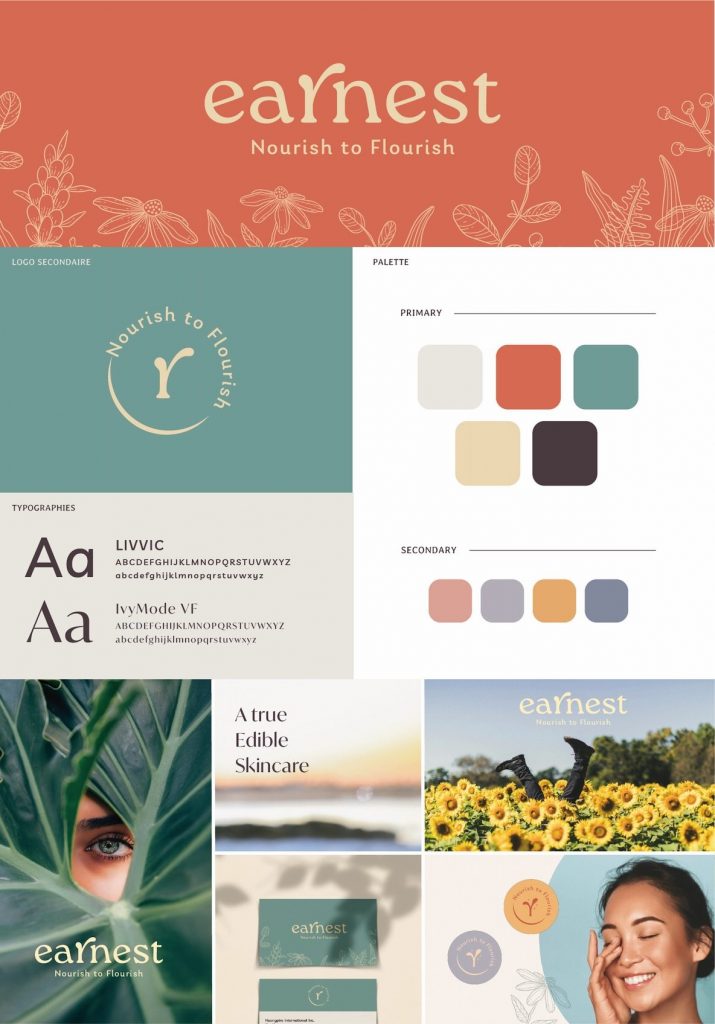
Brand identity is the visual and expressive system that represents a brand to the outside world.
It’s how people recognize you.
It’s how they remember you.
And often, it’s how they decide whether to trust you.
Brand identity translates:
Your VALUES
Your POSITIONING
Your PERSONALITY
…into visual and verbal elements that work together as a coherent system.
In short: Brand identity is how your brand shows up.
Brand Identity vs Logo: Why They’re Not the Same
A common misconception is to reduce brand identity to a logo.
A logo is important, but it’s only one piece of a much larger puzzle.
Logo = a symbol
Brand identity = the full visual language
A strong brand identity ensures that even without the logo, your brand still feels recognizable through:
- colours
- typography
- layout
- tone
- visual consistency
A logo without a brand identity is like a signature without a voice.
What Does Brand Identity Include?
1. Logo System
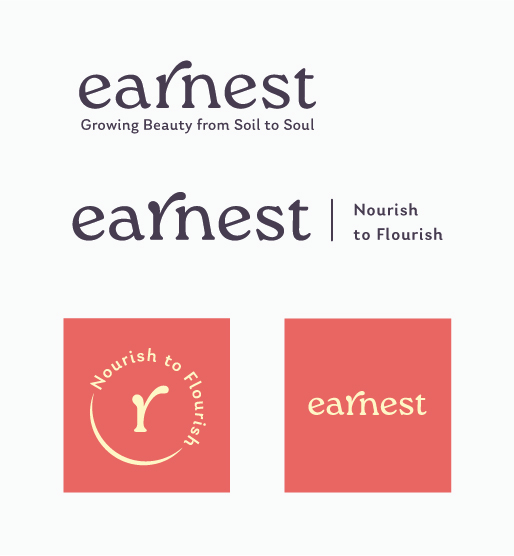
This usually includes:
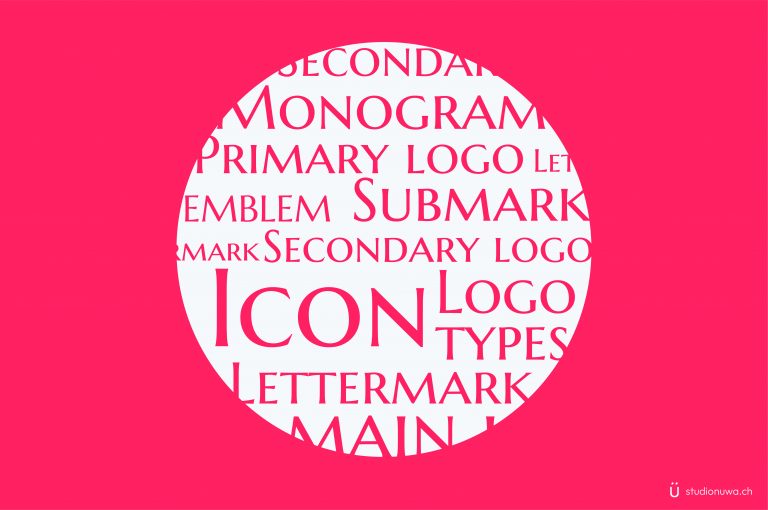
- primary logo
- secondary or alternative versions
- icon or symbol
- responsive logo variations
The goal is adaptability across formats, not just aesthetics.
2. Color Palette
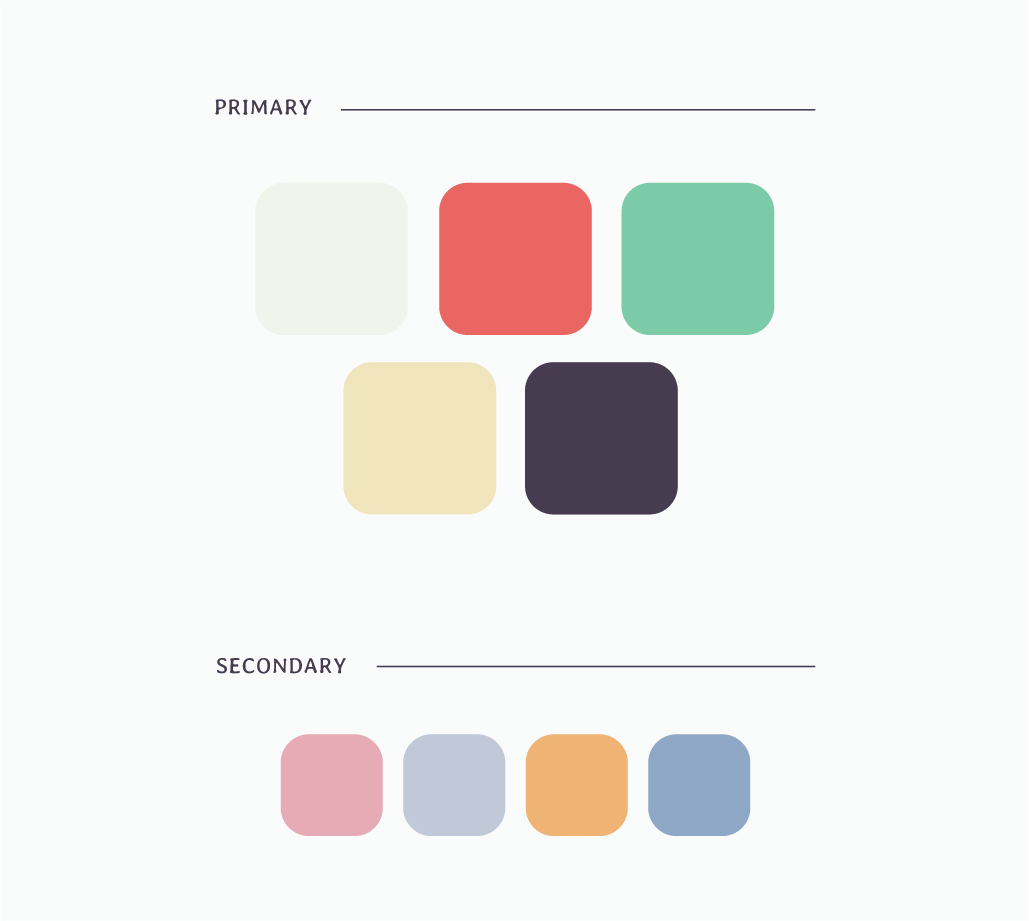
Colors are chosen strategically, not based on preference alone.
A palette typically includes:
- primary colors
- secondary or accent colors
- rules for contrast and usage
Colors help communicate emotion, hierarchy, and consistency.
3. Typography
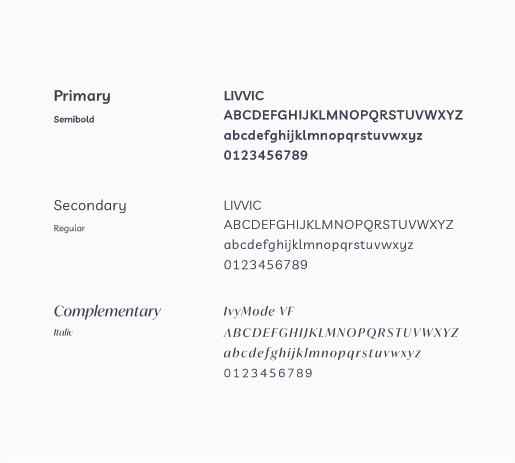
Typography defines how your brand “sounds” visually.
This includes:
- primary typeface
- secondary typeface
- font hierarchy (headings, body text, captions)
Good typography improves readability and reinforces brand personality.
4. Graphic Elements and Shapes
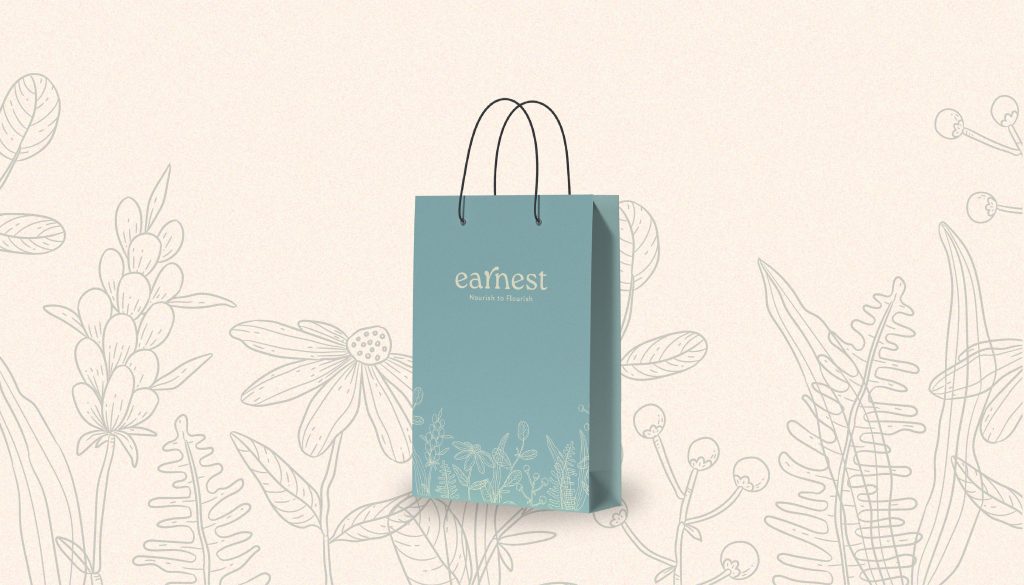
These elements give depth and flexibility to a brand identity:
- shapes
- lines
- patterns
- frames
- textures
They help create a recognizable visual rhythm beyond the logo.
5. Imagery Style

A brand identity often defines:
- photography style
- illustration style
- mood and composition
This ensures visual consistency across website, social media, and print.
6. Brand Guidelines
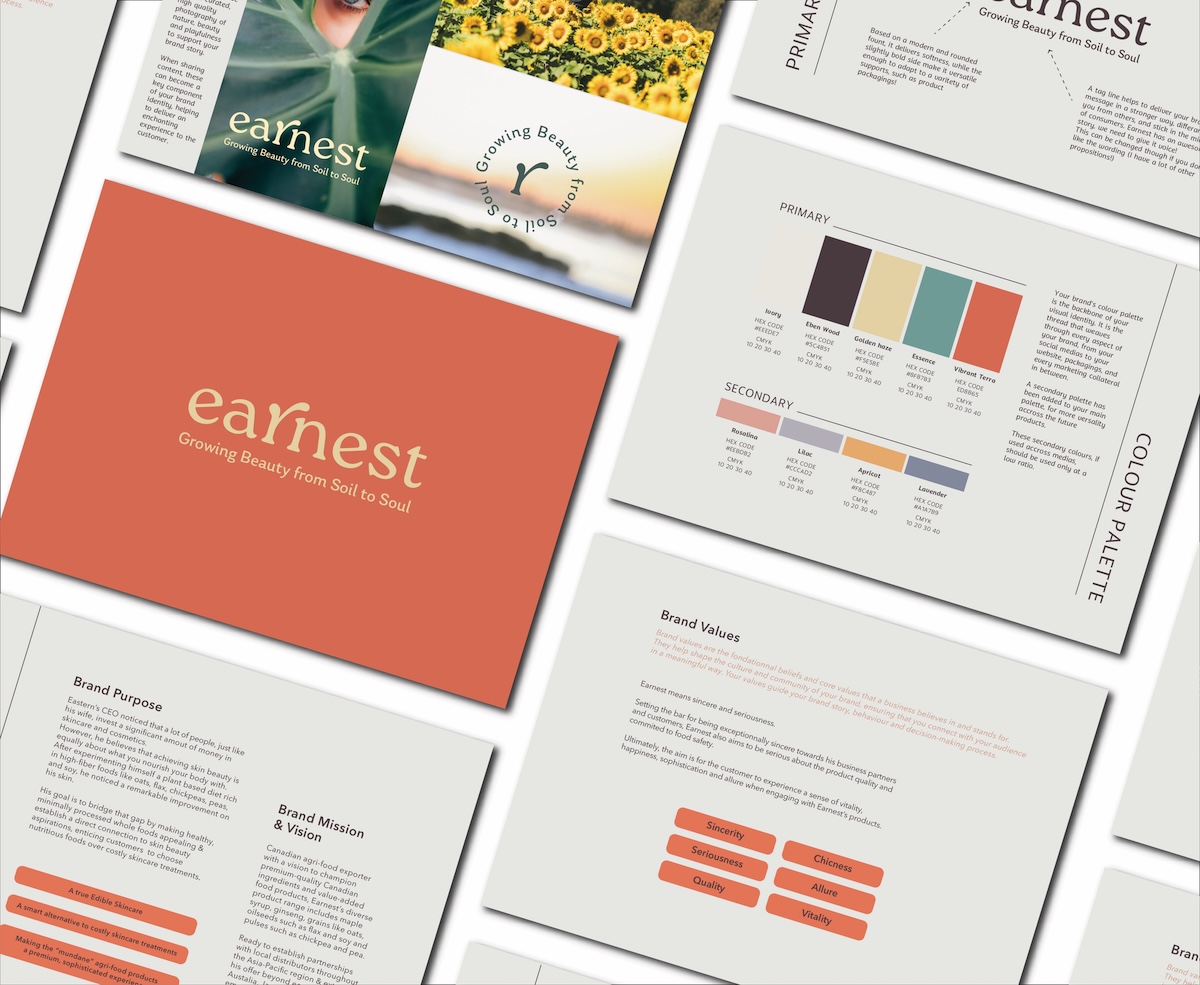
Brand guidelines are the rulebook of your identity.
They explain:
- how to use the logo
- how colors and fonts should be applied
- what to do, and what to avoid
Without guidelines, even the best identity can quickly become inconsistent.
Why Brand Identity Matters More Than You Think
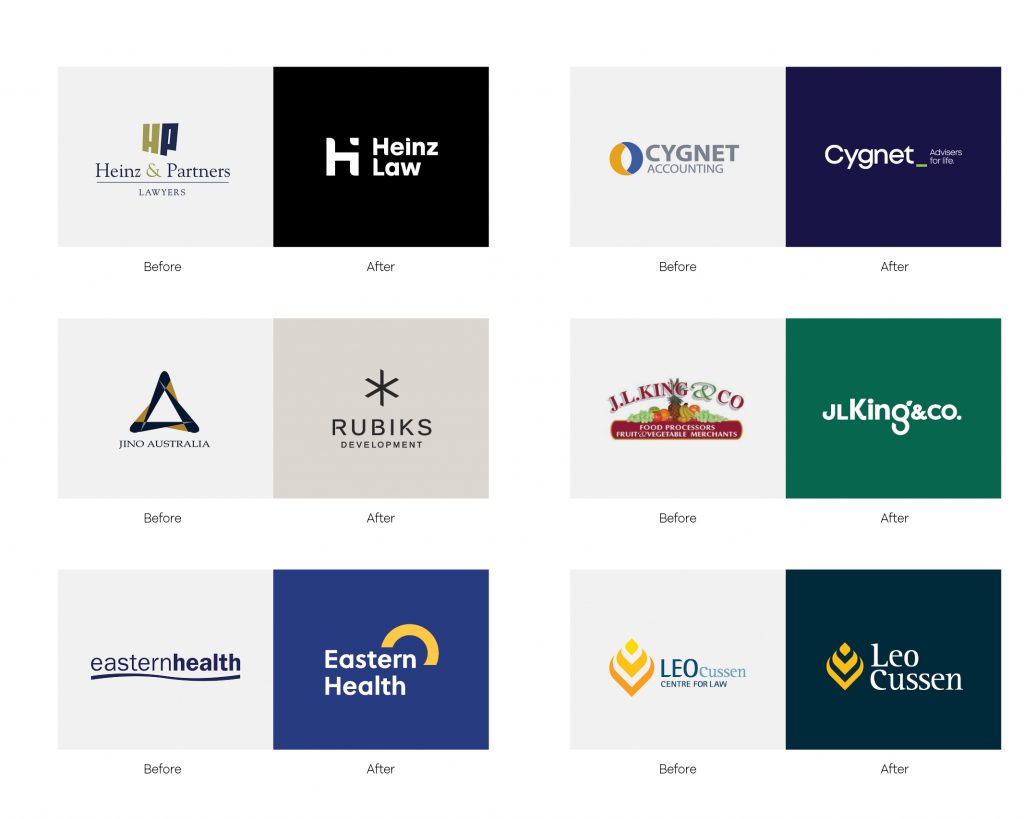
A strong brand identity is not just about looking good.
It helps your brand:
- appear professional and credible
- build recognition over time
- stand out in a crowded market
- create emotional connection
Consistency builds trust.
And trust drives decisions.
Brand Identity Is a Business Tool, Not Decoration
When done right, brand identity:
- supports marketing efforts
- simplifies communication
- attracts the right audience
- aligns internal teams
It becomes a tool that works for you, not just a visual asset. This is why brand identity should always be rooted in strategy, not trends alone.
Common Mistakes When Building a Brand Identity
❌ Focusing only on trends
Trends fade. Identity should last.
❌ Designing without strategy
Without clarity, visuals become arbitrary.
❌ Inconsistency across platforms
A fragmented identity weakens trust.
❌ Skipping guidelines
Without rules, the system falls apart.
When Do You Actually Need a Brand Identity?
You need a clear brand identity if:
✔️ You’re launching a business
✔️ Your brand feels inconsistent
✔️ Your visuals no longer reflect your values
✔️ You want to grow or reposition
Brand identity is especially important when your brand starts to scale.
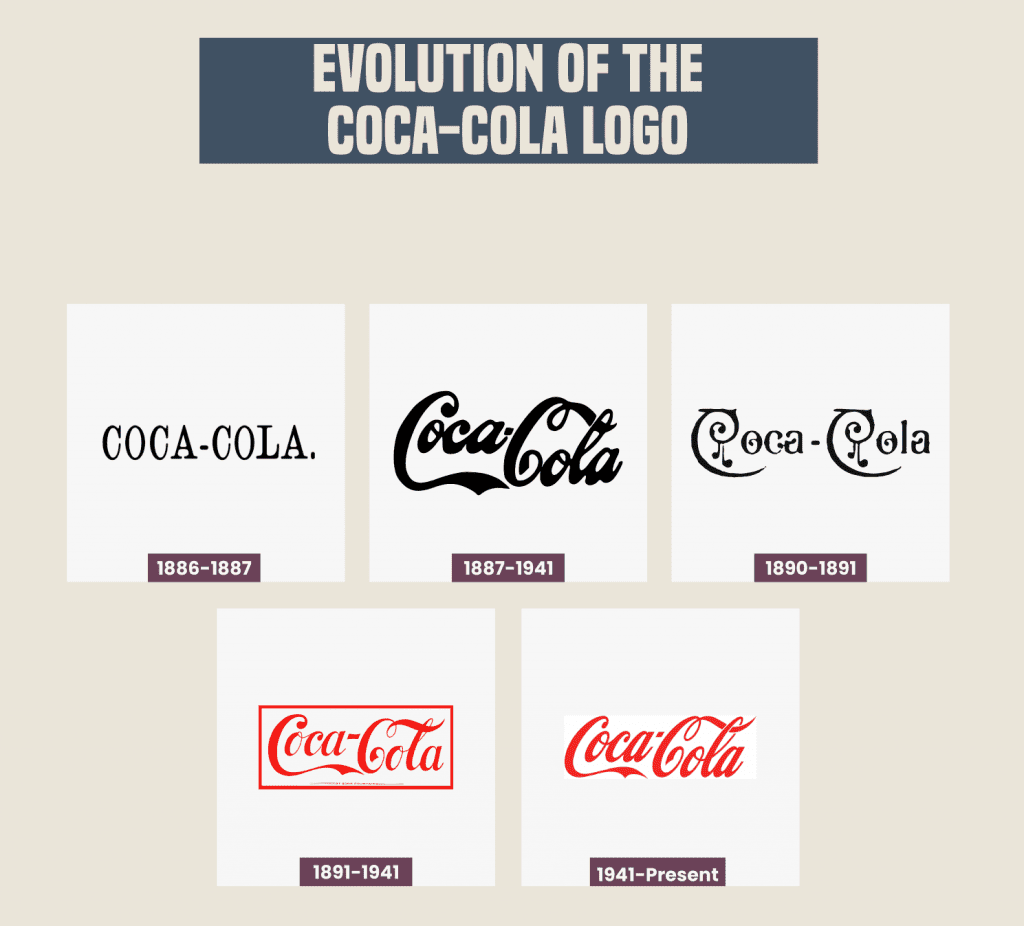
How Brand Identity Evolves Over Time
A strong identity is designed to evolve, not to be replaced every year.
It should: adapt to new format, grow with your business & remain recognizable over time
This is the difference between a short-term design and a long-term system.
Want a clearer overview of branding?
If you’re starting a brand, or feeling unsure about your current one:
We’ve created a free branding guide.
Intended to help you gain clarity before moving forward, this practical guide is designed to support you in preparing your visual identity project.
Inside the guide, you’ll find:
✦ The key stages of a visual identity project, from briefing to final delivery
✦ A ready-to-use checklist to help you prepare and brief your designer with confidence
✦ Realistic budget ranges for the Swiss and European markets
FAQs About Brand Identity
Is brand identity the same as branding?
Not exactly. Branding is the overall perception of your brand. Brand identity is the system that helps shape that perception.
Can a small business benefit from brand identity?
Absolutely. In fact, clarity is even more important for small businesses.
Do I need brand guidelines if I work alone?
Yes. They help you stay consistent over time and across platforms.
How long does it take to create a brand identity?
Typically between 3 and 8 weeks, depending on depth and scope.
Can I start with a logo and expand later?
Yes, but it’s best to think ahead so the logo fits into a future system.
How do I know if my brand identity works?
If it feels clear, consistent,aligned, and if people recognize you more easily: it’s working.
Conclusion: Brand Identity is about intention
Brand identity is not about following rules or trends.
It’s about making intentional choices that reflect who you are and where you’re going.
We design brand identities that are thoughtful, flexible, strategic, and built to last, so your brand doesn’t just look good, but feels right.
If you’re considering creating or refining your brand identity, we’re always happy to start with a conversation.