What Makes Good Packaging Design? 9 Powerful Principles
Packaging is often the first physical interaction someone has with a product.
Before they use it, taste it, or trust it : they see it.
And in many cases, that moment decides everything.
Good packaging design is not just about aesthetics. It’s about perception, clarity, and experience. It sits at the intersection of branding, marketing, and product design.
In this article, we’ll break down what truly makes good packaging design, from strategy to execution, and why it matters more than ever
1. Start with Strategy, not design
Before choosing colors or typography, strong packaging begins with understanding the brand.
Without this foundation, even a beautiful design can feel disconnected.
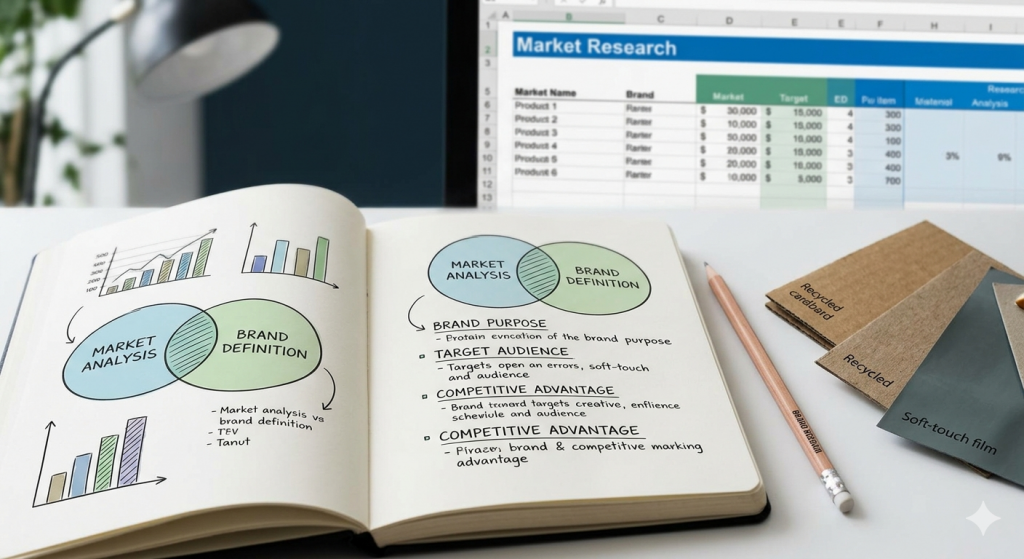
Good packaging answers key questions:
- Who is this product for?
- Where will it be sold (online, retail, premium stores)?
- What emotions should it evoke?
- What makes it different from competitors?
2. Prioritize Clarity
A common mistake is overloading packaging with too much information.
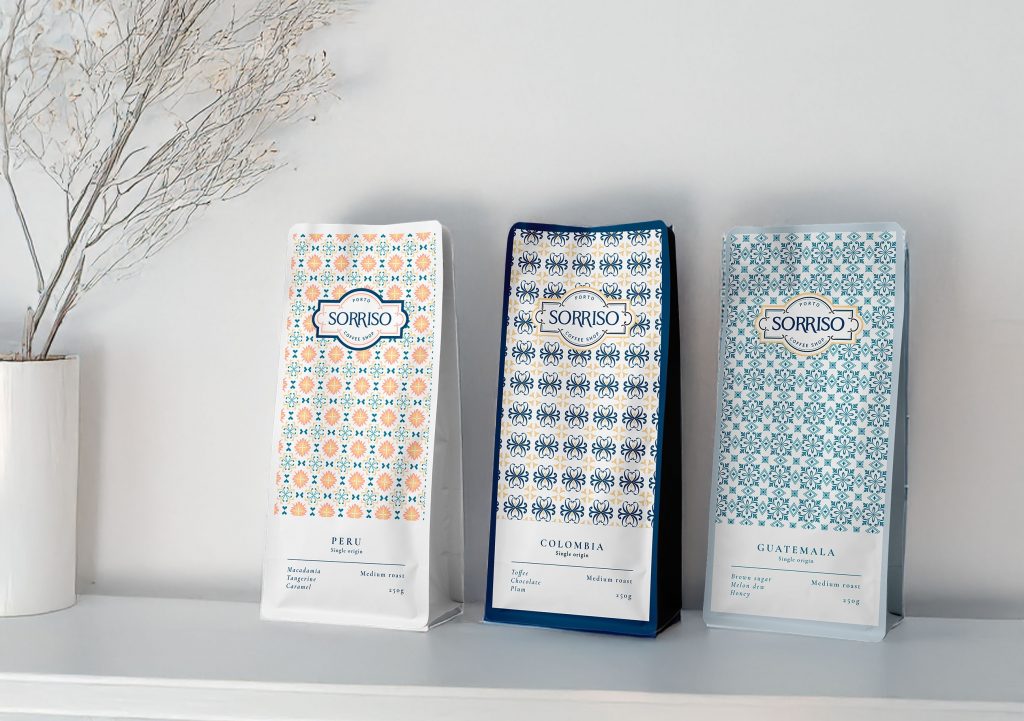
Good packaging design is clear:
- The product is immediately identifiable
- The key message is easy to read
- The hierarchy of information is well structured
In a real environment, especially on shelves, customers only give a few seconds of attention.
If your packaging is confusing, it’s ignored.
3. It Reflects the Brand’s Positioning
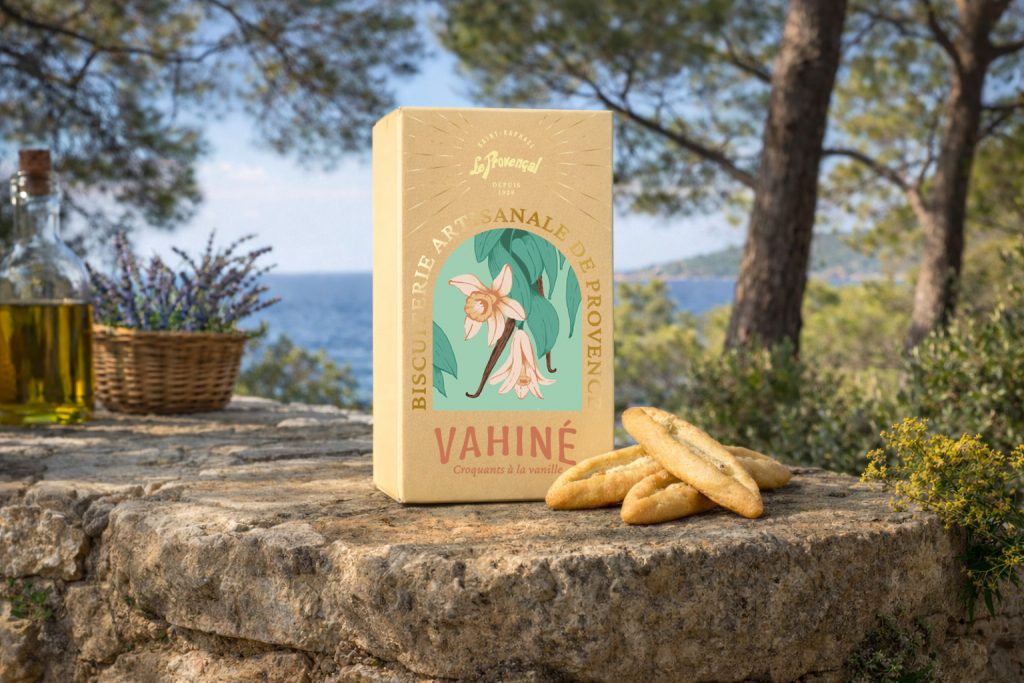
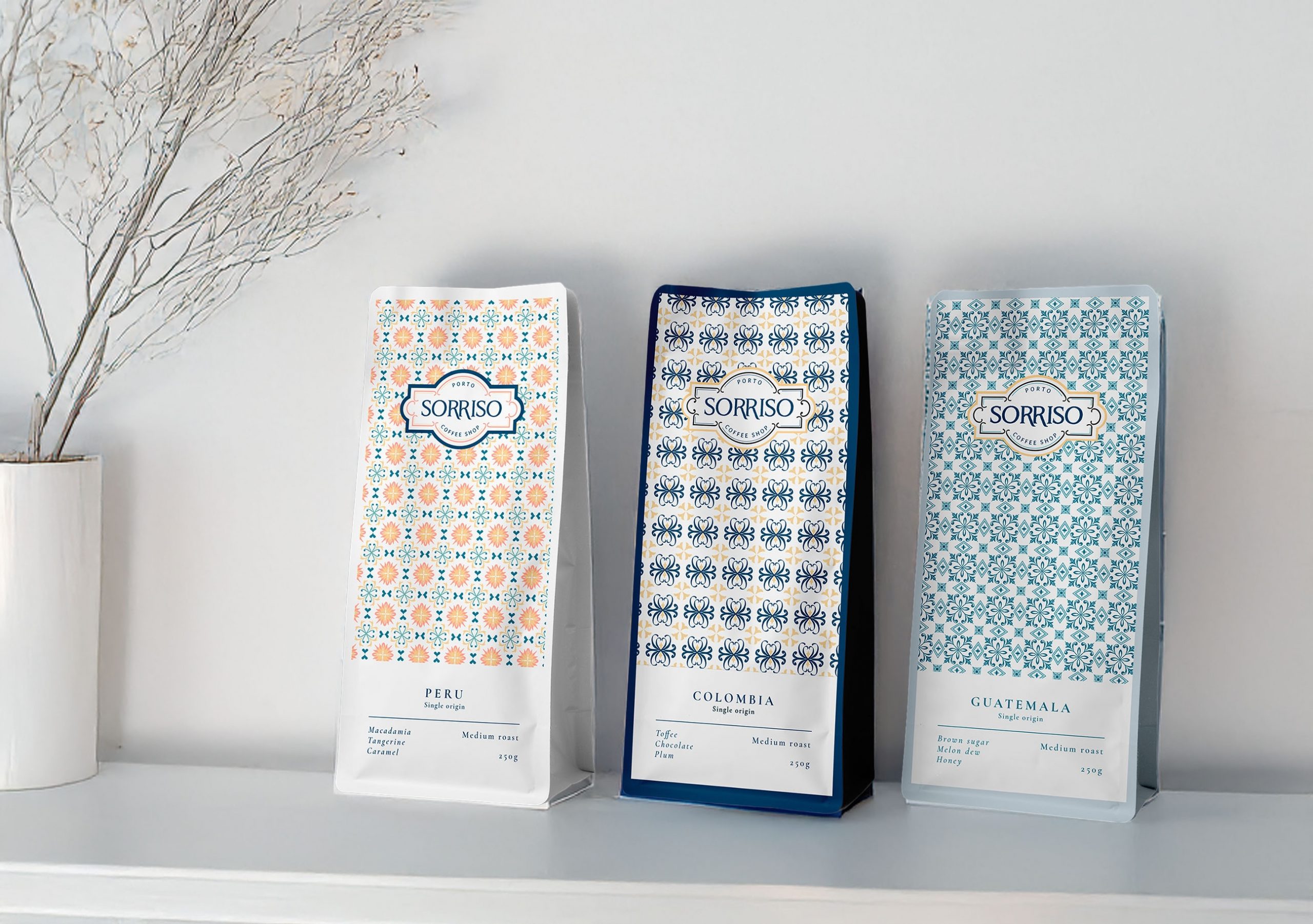
Packaging is not just a container. it’s a visual extension of your brand.
It should communicate:
- Traditional vs modern
- Premium vs accessible
- Minimalist vs expressive
- Natural vs technical
For example:
- A luxury product often uses minimal design, high-quality materials, and restrained colors
- A playful brand may use bold colors, illustrations, and expressive typography
Good packaging feels aligned, not random.
4. Materials and Texture Matter More Than You Think
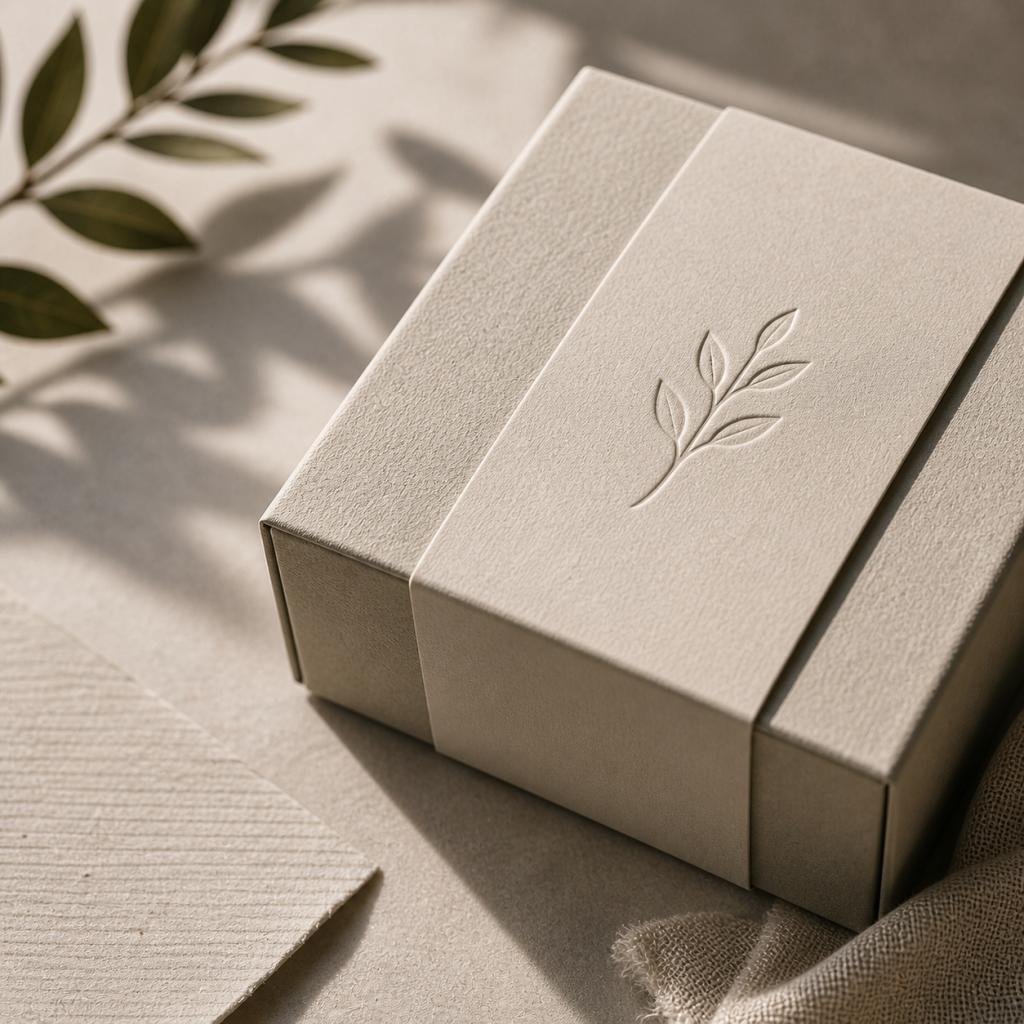
Packaging is not only visual. it’s tactile.
The material you choose communicates:
- Brand values
- Quality
- Sustainability
- Price positioning
Examples:
- Kraft paper → natural, eco-conscious
- Soft-touch matte → premium
- Glossy plastic → mass-market
The feel of packaging can influence perceived value instantly.
5. It Creates an Emotional Experience
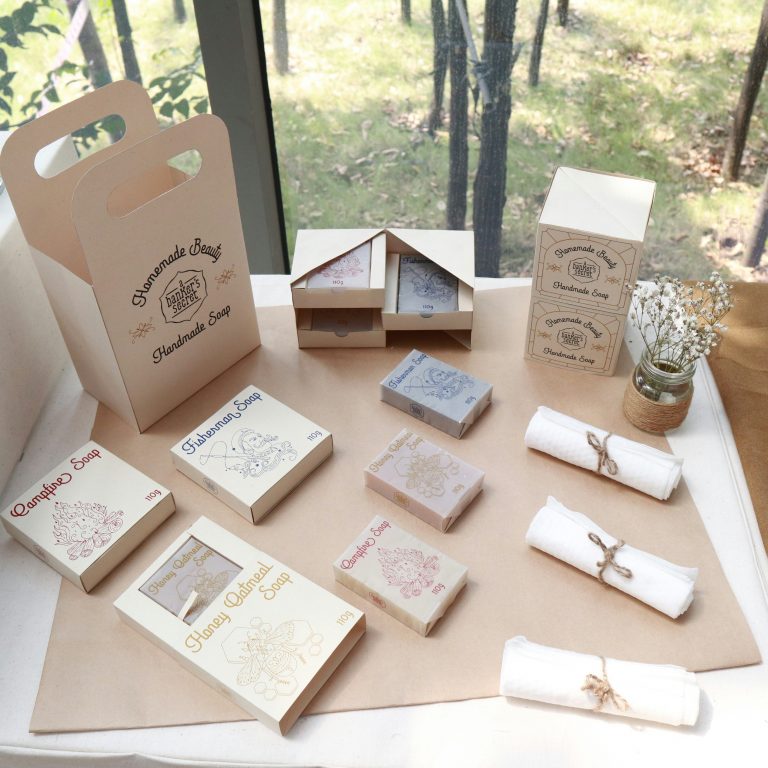
Great packaging goes beyond function. it creates a moment.
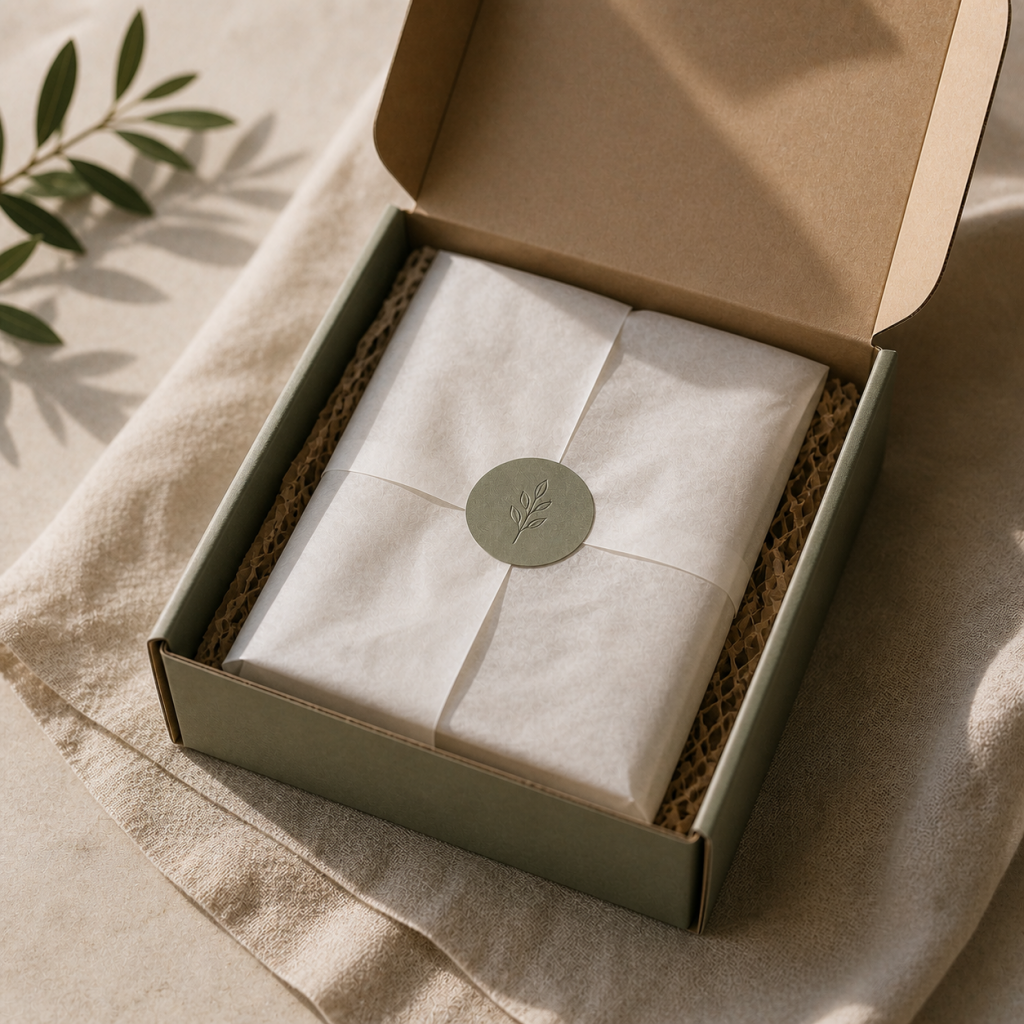
Think about:
- The unboxing experience
- The sequence of discovery
- Small details (stickers, inserts, messages)
These elements can turn a simple product into a memorable experience.
Emotion is what people remember, and share.
6. It Works in Real-World Conditions
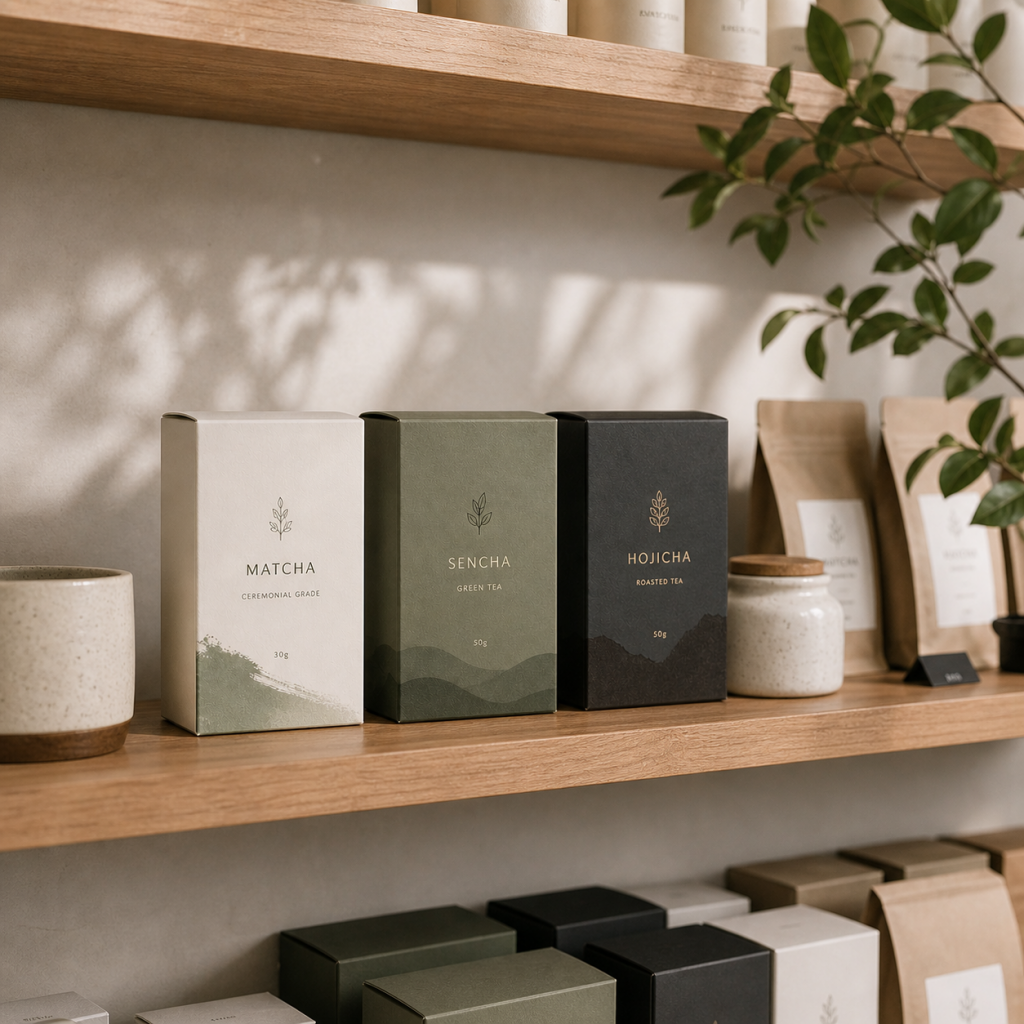
Packaging lives in reality. It must:
- Stand out on shelves
- Be readable at a distance
- Survive transport
- Be easy to store and stack
A design that looks beautiful on screen but fails in real conditions is not good packaging.
Functionality is part of aesthetics.
7. Sustainability Is No Longer Optional
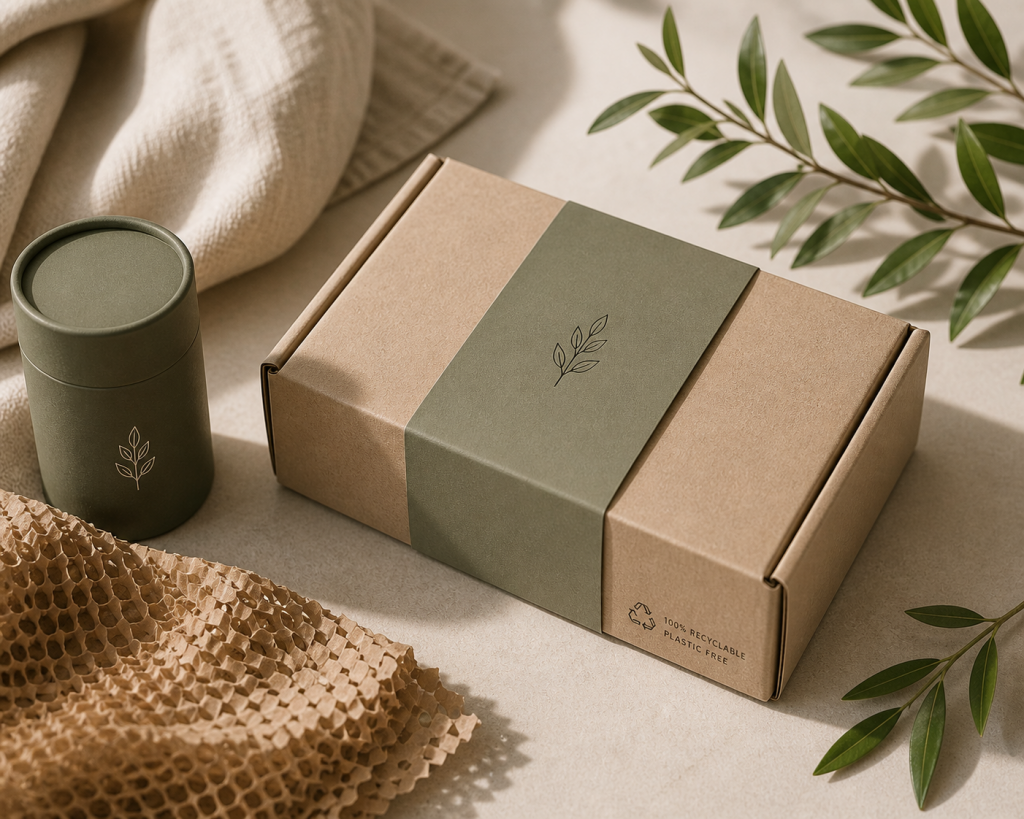
Good packaging considers:
- Recyclability
- Material reduction
- Reusability
- Local production
Sustainable packaging is not just ethical—it’s becoming a competitive advantage.
Today, consumers are increasingly aware of environmental impact.
8. Consistency Across the Brand Ecosystem
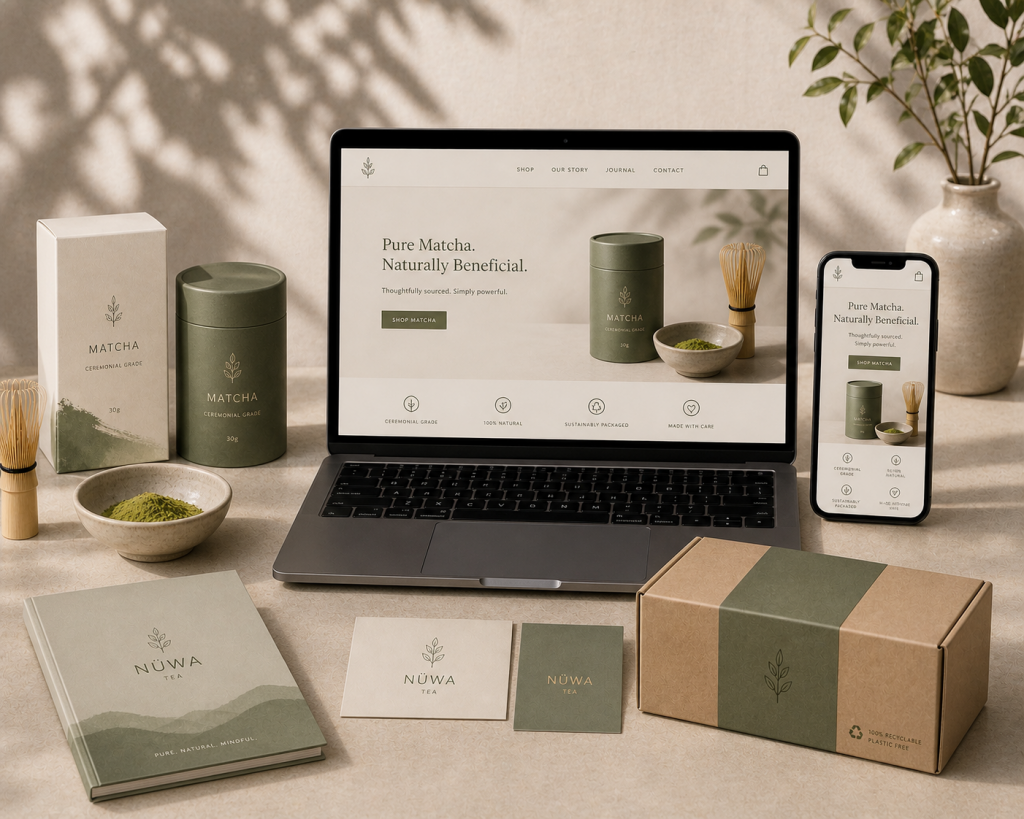
Your packaging should align with all your brand touchpoints.
- Website
- Social media
- Print materials
When everything is coherent, the brand feels stronger and more professional.
Consistency builds trust.
9. Simplicity Is Often the Most Powerful Choice
One of the most overlooked truths:
Good packaging is often simple.
Not empty, but intentional.
Simplicity helps:
- Improve readability
- Strengthen brand perception
- Avoid visual noise
- Create elegance
The goal is not to say more, but to say it better.
Common mistakes to avoid
❌ Following trends blindly
Trends fade. Strong design lasts.
❌ Overloading information
Too much content reduces clarity.
❌ Ignoring the audience
Design must speak to the right people.
❌ Lack of consistency
A fragmented identity weakens trust.
FAQ
What is the most important aspect of packaging design?
Clarity. If people don’t understand the product instantly, the design fails.
Does packaging really influence buying decisions?
1000% yes. Packaging often determines whether someone picks up a product or not.
Can small brands compete with packaging?
Absolutely. Strong design can make a small brand feel premium and credible.
How long does it take to create a packaging?
Typically between 2 and 8 weeks, depending on
Conclusion
Good packaging design is not just about making something look attractive.
It’s about creating a coherent, functional, and emotional experience that reflects your brand and connects with your audience.
When done right, packaging becomes more than a container.
It becomes a silent ambassador of your brand.

If you’re developing a product and want packaging that truly reflects your brand and stands out on the market, let’s discuss it.